Source Organic Lavender Essential Oil for Skincare, Aromatherapy, and Cleaning
Compare 30 listings for organic lavender essential oil from verified suppliers offering OEM services and therapeutic grades. Buyers can review specifications like volume, shelf life, and certifications to find suitable options for cosmetic and health care applications; compare the available evidence and request quotations based on your requirements.
Key considerations
Products List



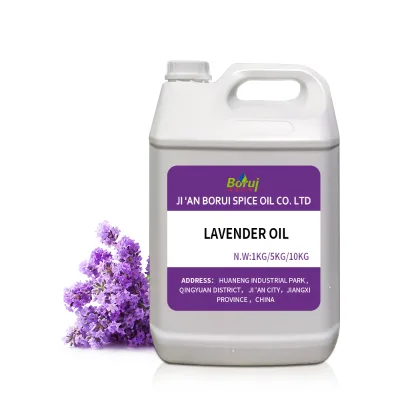
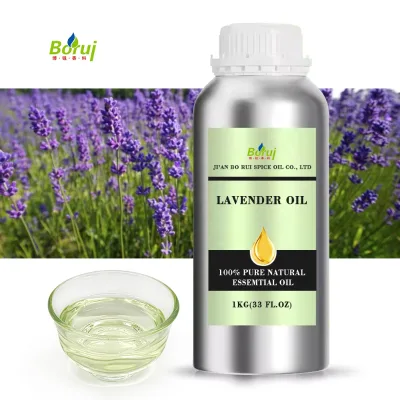

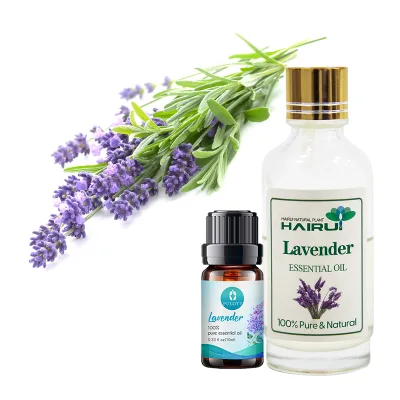
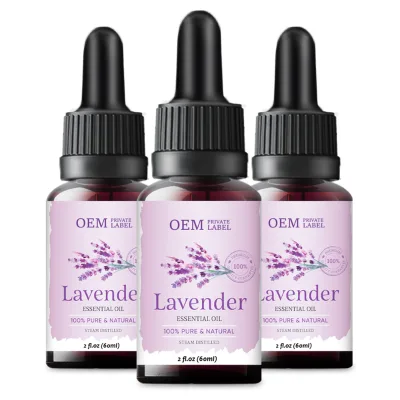



Comprehensive Sourcing Guide
Organic Lavender Essential Oil Sourcing Guide
Sourcing organic lavender essential oil requires a disciplined approach to verifying botanical authenticity and supply chain transparency. Buyers must prioritize suppliers who can demonstrate clear traceability from the field to the final distillation process. The market offers various grades, ranging from therapeutic to cosmetic, each serving distinct end-use requirements. Understanding these distinctions is critical for aligning procurement with specific product formulations or retail positioning.
Procurement teams should focus on establishing robust relationships with manufacturers who offer OEM and ODM capabilities. This ensures that the final product meets specific branding and quality expectations. It is equally important to verify the physical attributes of the oil, such as volume and packaging, to ensure compatibility with existing logistics and distribution networks. A clear understanding of these operational details prevents costly mismatches between supplier capabilities and buyer needs.
Product Scope and Observed Listing Signals
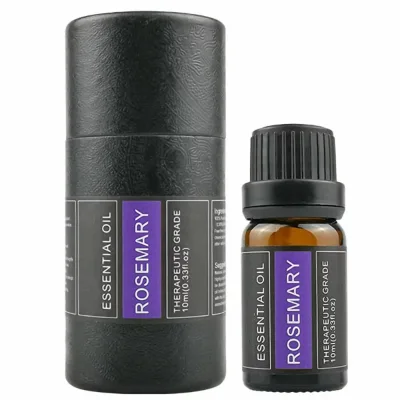
The current market landscape for lavender essential oil includes a variety of product types, primarily categorized as pure essential oils derived from natural plant sources. Listings often highlight specific botanical ingredients, such as lavender, alongside other aromatic profiles like rosemary or bergamot. These products are typically marketed for aromatherapy, skincare, and general wellness applications. Buyers should observe that product names frequently emphasize natural origins and therapeutic grades to appeal to health-conscious consumers.
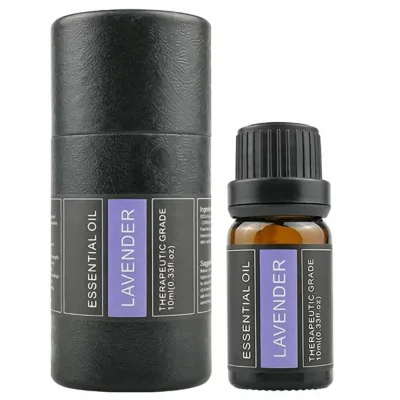
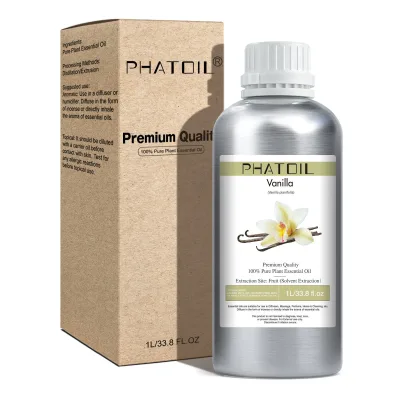
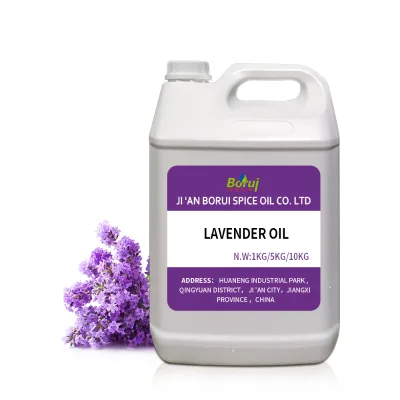
Observed listing signals indicate a wide range of packaging options, from small 10ml bottles to bulk drums for industrial use. The physical weight and single package dimensions vary significantly depending on the intended market segment. For instance, retail-oriented products may feature boxed packaging with precise volume measurements, while bulk suppliers might offer 25kg or 200kg drums. These variations reflect the diverse needs of different buyer profiles, from small boutique brands to large-scale cosmetic manufacturers.
Technical Specifications to Verify
Technical verification begins with confirming the grade and purity of the essential oil. Buyers should insist on documentation that specifies whether the product is of therapeutic grade or pure essential oil grade A. The method of extraction, typically distillation for lavender, must be clearly stated to ensure the integrity of the aromatic compounds. Additionally, verifying the raw material source, such as specific flower varieties, helps in assessing the potential potency and scent profile of the final oil.
Volume and physical specifications are critical for inventory planning and cost calculation. Standard retail sizes often range around 10ml per bottle, while bulk options may be measured in kilograms or liters. Buyers must also check the shelf life, which is commonly listed as three years for properly stored essential oils. Confirming the model numbers or specific product codes provided by suppliers aids in maintaining consistency across repeat orders and simplifies quality control processes.
Compliance and Safety Documentation
Compliance with international safety standards is non-negotiable for essential oil procurement. Buyers must request relevant certifications such as MSDS, GMP, and FDA compliance to ensure the product meets regulatory requirements for its intended market. These documents provide essential information on handling, storage, and potential hazards, which is crucial for both workplace safety and consumer protection. Without proper certification, products may face legal hurdles or rejection in regulated markets.
Quality assurance also involves verifying the assay methods used to test the oil’s composition. Techniques like HPLC-MS are industry standards for identifying and quantifying chemical constituents. Buyers should ensure that suppliers provide recent test results that confirm the purity and absence of contaminants. This step is vital for maintaining product integrity and ensuring that the essential oil performs as expected in final applications, whether for cosmetics or health care products.
Cost Drivers and Commercial Terms
Cost structures for essential oils are influenced by several factors, including the grade of the oil, the volume of the order, and the complexity of packaging. Higher grades, such as therapeutic or pure essential oil grades, typically command higher prices due to the rigorous extraction and purification processes involved. Buyers should also consider the cost implications of customization services, such as private labeling or specific packaging requirements, which can add to the overall expense.
Minimum Order Quantities (MOQs) vary widely, ranging from small batches for testing to large volumes for established production lines. Understanding these thresholds is essential for budgeting and inventory management. Suppliers may offer flexible terms for OEM/ODM projects, but buyers must clarify lead times and payment terms upfront. Negotiating favorable commercial terms can significantly impact the bottom line, especially for high-volume purchases or long-term supply agreements.
Supplier Qualification and Quality Control
Supplier qualification requires a thorough assessment of their manufacturing capabilities and quality control systems. Buyers should verify the supplier’s location, such as Guangdong, China, and their ability to provide consistent product quality across batches. It is important to check for certifications like ISO, which indicate a commitment to standardized management practices. A supplier’s ability to handle both small and large orders efficiently is a key indicator of their operational maturity.
Quality control measures should be explicitly defined in the procurement agreement. This includes regular audits of the production process and random sampling of finished goods for testing. Buyers must ensure that the supplier has a robust system for tracking raw materials and finished products to maintain traceability. Establishing clear communication channels for addressing quality issues promptly is essential for maintaining a reliable supply chain and protecting brand reputation.
Long-Term Procurement Checks
Long-term procurement success depends on continuous monitoring of supplier performance and market trends. Buyers should regularly review supplier certifications and test results to ensure ongoing compliance with evolving regulatory standards. Maintaining open lines of communication allows for timely adjustments to product specifications or supply volumes as market demands change. This proactive approach helps mitigate risks associated with supply chain disruptions or quality inconsistencies.
Additionally, buyers should stay informed about shifts in raw material availability and pricing trends. Lavender essential oil prices can fluctuate based on harvest yields and global demand. Establishing a diversified supplier base can provide flexibility and reduce dependency on a single source. Regularly evaluating the total cost of ownership, including logistics and handling, ensures that procurement strategies remain competitive and aligned with business objectives over time.
FAQs
What is the shelf life of the organic lavender essential oil?
The shelf life is three years for this product. This duration applies to the natural therapeutic grade aromatherapy lavender essential oil sourced from Guangdong, China, ensuring stability for daily cosmetic and health care applications.
Can I get private label services for this essential oil?
Yes, OEM, ODM, and private label services are available for this product. Buyers can customize the packaging and branding for the 10ml bottles of pure natural plant essential oil, which are supplied in boxes with a single gross weight of 0.1 kg.
What certifications does the organic lavender essential oil hold?
The product holds MSDS, GMP, and FDA certifications. These standards ensure the quality of the pure essential oil grade A material, which is suitable for use in cosmetic raw materials, detergents, and oral care chemicals across various skin types.
How is the organic lavender essential oil extracted?
The oil is extracted using the distillation method from lavender flowers. This process yields a pure essential oil that meets the 99% standard, making it suitable for general applications in health care products and food industries as a raw material.
What is the minimum order quantity for this product?
The minimum order quantity is 20 pieces for this item. This low MOQ allows buyers to test the 10ml bottles of lavender essential oil before scaling up, with an available quantity of nearly ten million units ready for immediate shipment.
Which skin types can use this organic lavender essential oil?
This essential oil is suitable for all skin types. It is formulated as a skin revitalizer and moisturizer, making it versatile for daily use in various cosmetic applications while maintaining its therapeutic grade purity and natural plant-based composition.